WHOOP vs Oura vs Apple Watch (2026): Which Should You Buy?
How do we vet apps & products? Learn more.
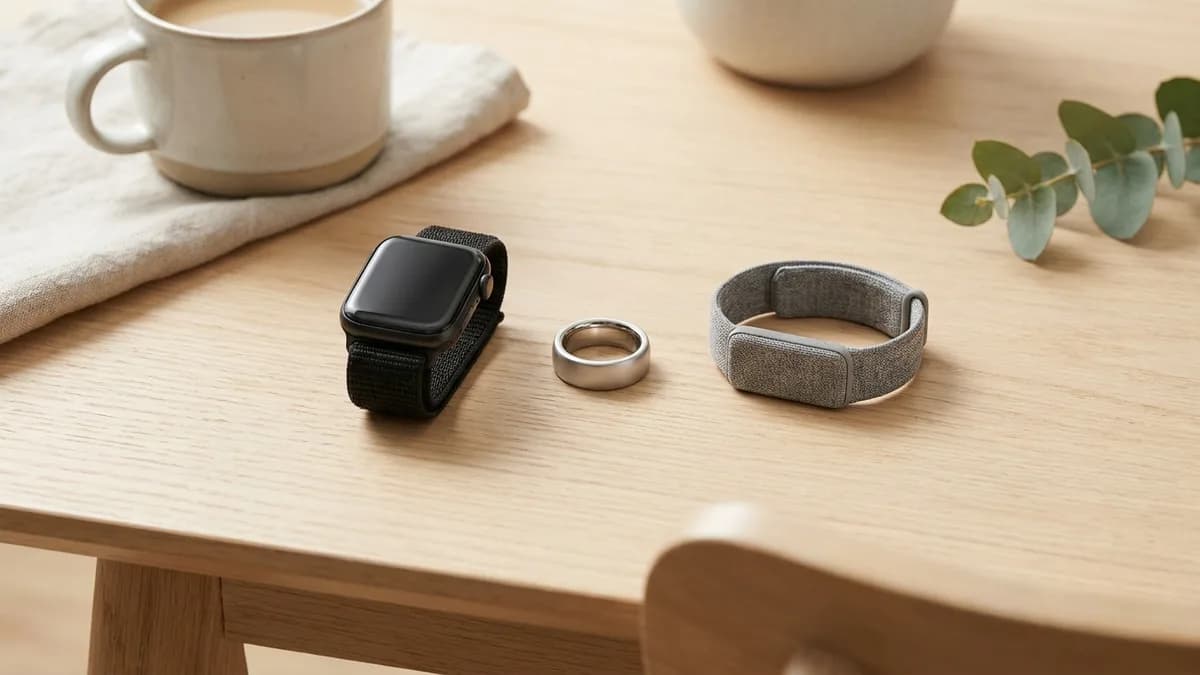
WHOOP, Oura, and the Apple Watch are the three names that come up in every recovery-tracking conversation. They promise more or less the same thing — tell me how rested I am, how hard I trained, and whether I should push or back off today. But they get there in completely different ways, at completely different prices, with completely different strings attached.
Based on 2026 specs and real-world use across all three platforms, we cut through the marketing. Here's the honest breakdown of WHOOP vs Oura vs Apple Watch — and which one is the smartest buy for most people in 2026.
 |  | Editor's ChoiceApple Watch (SE 3 / Series 11) | |
|---|---|---|---|
| Brand | WHOOP 5.0 | Oura Ring 4 | Apple Watch (SE 3 / Series 11) |
| Rating | 4.0 / 5 | 4.2 / 5 | 4.3 / 5 |
| Key features |
|
|
|
| Pros |
|
|
|
| Cons |
|
|
|
| Price | From $199/yr (subscription required) | $349–$499 + $5.99/mo after year one | From $229 (SE 3), no subscription |
| Visit WHOOP | Visit Oura | Visit Apple |
The Quick Verdict
If you want the short version:
- WHOOP is the best pure recovery coach — and the most expensive over time, because it's subscription-only and you never own the band.
- Oura is the most discreet and the best at sleep — but it's a ring you pay for twice, once up front and once a month.
- The Apple Watch already carries the same class of sensors as both, with no subscription on its core health features — and it doubles as a full smartwatch. The one thing it doesn't hand you is a single recovery score out of the box.
- For most people who want one device that covers recovery, sleep, workouts, and everyday smartwatch features without a recurring bill, the Apple Watch is the best overall value. That's our editor's pick, and we explain why below.
WHOOP 5.0: The Recovery Coach You Rent
WHOOP built the modern recovery category. The screen-free 5.0 band sits on your wrist (or bicep) 24/7, tracks strain and recovery, and nudges you toward better sleep. The coaching is genuinely good, and going screen-free means you actually disconnect.
The catch is the business model. WHOOP is subscription-only — there's no way to buy the hardware outright. In 2026 the annual plans are WHOOP One at $199/year, WHOOP Peak at $239/year, and WHOOP Life at $359/year. Monthly billing (roughly $25–$40 depending on tier) only opens up after you've completed a 12-month commitment. Cancel, and the band stops working and your history goes behind the paywall.
A few honest tradeoffs:
- You never own the device. Over three years on Peak, that's more than $700 — for a band with no screen.
- No display means total phone dependency. Every glance at your recovery happens on your phone.
- Strain is heart-rate-driven, so it tends to underrate strength training, yoga, and other low-heart-rate work.
WHOOP is excellent at what it does. You're just renting it forever. (We dig deeper into cheaper paths in our best WHOOP alternatives guide.)
Oura Ring 4: The Sleep Specialist on Your Finger
The Oura Ring 4 is the most elegant tracker here — a lightweight titanium ring that disappears on your hand and quietly logs sleep, HRV, temperature, and readiness. For sleep tracking specifically, it's one of the best devices money can buy, and the ring form factor is far more comfortable to sleep in than any watch.
But Oura also charges twice. The ring costs $349–$499 depending on finish, and while every new ring includes one month of membership, after that it renews at $5.99/month or $69.99/year. Skip the membership and you're left with bare-bones data — the detailed sleep staging, HRV trends, and daily readiness insights all live behind the subscription.
The other limitation is by design: a ring has no real-time workout strain tracking. Oura is a recovery-first, sleep-first device — fantastic overnight, quiet during your training. If sleep is your priority and you don't mind the monthly fee, it's a strong pick. If you want more, see our best Oura Ring alternatives breakdown.
Apple Watch: The Sensors Are Already There
Here's the part that reframes the whole comparison. The modern Apple Watch — the SE 3 from $229 or the Series 11 from $359 — already carries the sensor stack WHOOP and Oura rely on: optical heart rate, accelerometer, and temperature sensing. And recent versions of watchOS layered on the software too:
- Training Load analyzes workout intensity and trends it against previous weeks.
- The Vitals app logs overnight heart rate, respiratory rate, wrist temperature, and sleep duration, and flags outliers.
- Sleep stages breaks the night into REM, core, and deep sleep.
All of this comes with no subscription. The one real gap is presentation: these features live across separate apps with no unifying number. There's no single "recovery score" and no "body battery" — you read the metrics yourself rather than getting one figure handed to you.
That gap is real, but it's the only thing separating the Apple Watch from the dedicated trackers — and for most people, it's a small price for a device that also does everything else.
Why the Apple Watch Wins for Most People
Step back and the math is simple. WHOOP and Oura each do one thing extremely well — coaching and sleep, respectively — but both charge you indefinitely, and with WHOOP you never even own the band. The Apple Watch carries sensors that rival both, adds Training Load, the Vitals app, and sleep staging with no subscription, and on top of that it's a phone on your wrist: messages, maps, music, contactless pay, fall detection.
It isn't perfect. There's no single "recovery" number out of the box, the health data is spread across a few apps, and the ~18-hour battery means charging around your sleep schedule. But none of those are dealbreakers for most people, and none of them cost extra every month. If you want one device that covers the widest range of needs for the lowest long-term cost, the Apple Watch is it.
If you specifically want screen-free 24/7 wear or the most detailed sleep tracking in the smallest possible package, that's where WHOOP and Oura still earn their keep.
3-Year Cost Comparison
Recovery tracking is a long game, so the number that matters is the total cost over time — not the sticker price.
| Tracker | Up-front | Year 1 | Year 2 | Year 3 | 3-Year Total |
|---|---|---|---|---|---|
| WHOOP Peak | $0 | $239 | $239 | $239 | $717 |
| Oura Ring 4 | $349 | ~$66 | $70 | $70 | ~$555 |
| Apple Watch SE 3 | $229 | $0 | $0 | $0 | $229 |
Oura figures use the $69.99/year membership after the included first month. Apple Watch figures assume no subscription — its core health features, including Training Load, Vitals, and sleep stages, are free.
WHOOP is the only option here where you keep paying every year just to keep the device alive. The Apple Watch is the only one whose tracking cost after purchase is genuinely zero — and it's a full smartwatch on top.
How to Choose
Buy an Apple Watch if you want one device that covers recovery, sleep, and workouts alongside full smartwatch features, with no subscription on the core health tools — our pick for most people.
Buy WHOOP if you want the most mature, hands-off recovery coaching in a screen-free band, and the ongoing subscription doesn't bother you.
Buy the Oura Ring 4 if you want the most discreet form factor and the best sleep tracking, and you're fine paying $5.99/month after the first month.
The Bottom Line
WHOOP and Oura are excellent at what they do — but both lock the experience behind recurring fees, and with WHOOP you never even own the hardware. The Apple Watch matches their sensors, skips the subscription on its core health features, and doubles as a full smartwatch.
That's why, for most people, our pick is the Apple Watch. It covers the widest range of needs — recovery signals, sleep, workouts, and everyday smartwatch features — for the lowest long-term cost, with no monthly bill just to keep your own data alive. WHOOP still wins for screen-free coaching and Oura for sleep, but for one device that does nearly everything, the watch is the smartest buy in 2026.
Sources
- 1.WHOOP Membership Options— WHOOP, 2026
- 2.Oura Ring Membership— Oura, 2026
- 3.Apple Watch SE 3— Apple, 2026
Frequently Asked Questions
- Is WHOOP, Oura, or Apple Watch the most accurate for recovery?
- All three lean on the same underlying signals — heart rate variability, resting heart rate, and sleep quality. WHOOP and Oura are recovery-first and present a single daily readiness number, while the Apple Watch has equally capable sensors but spreads the data across separate apps. Hardware accuracy is broadly comparable; the real difference is how neatly each one packages the result.
- How much does WHOOP cost per year in 2026?
- WHOOP is subscription-only. The 2026 annual plans are WHOOP One at $199/year, WHOOP Peak at $239/year, and WHOOP Life at $359/year. The hardware is included with the membership, but the band stops working if you cancel.
- Does the Oura Ring require a subscription?
- Yes. The Oura Ring 4 costs $349–$499 up front and includes one month of membership; after that it renews at $5.99/month or $69.99/year. Without an active membership you only see basic data — most insights, including detailed sleep staging and HRV trends, require the paid tier.
- Can an Apple Watch replace WHOOP or Oura?
- For most people, yes. watchOS now includes Training Load, the Vitals app, and sleep-stage tracking with no subscription, on sensors that rival both. What it lacks out of the box is a single unified recovery dashboard — you read HRV, sleep, and training load across a few separate screens rather than as one daily score.
- What is the cheapest way to get WHOOP-style recovery tracking?
- If you already own an Apple Watch, it is the cheapest path by far: HRV, resting heart rate, sleep stages, respiratory rate, and Training Load are all recorded with no subscription. You will not get a single packaged "recovery score" the way WHOOP and Oura present one, but every signal those devices rely on is already being captured on hardware you own.
Related reading
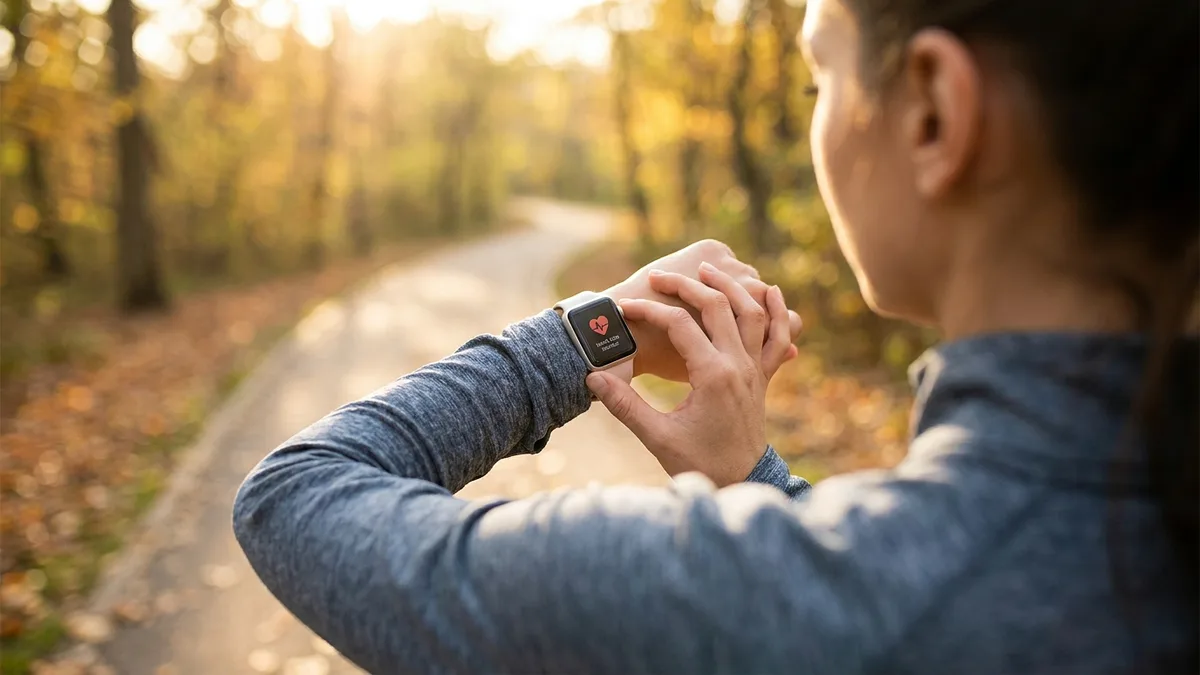
- Apple Watch (native features)



Best WHOOP Alternatives in 2026 (No Subscription Required)
WHOOP starts at $199/year and you never own the band. Here are the best WHOOP alternatives for recovery, strain and sleep tracking in 2026 — including options with no subscription at all.
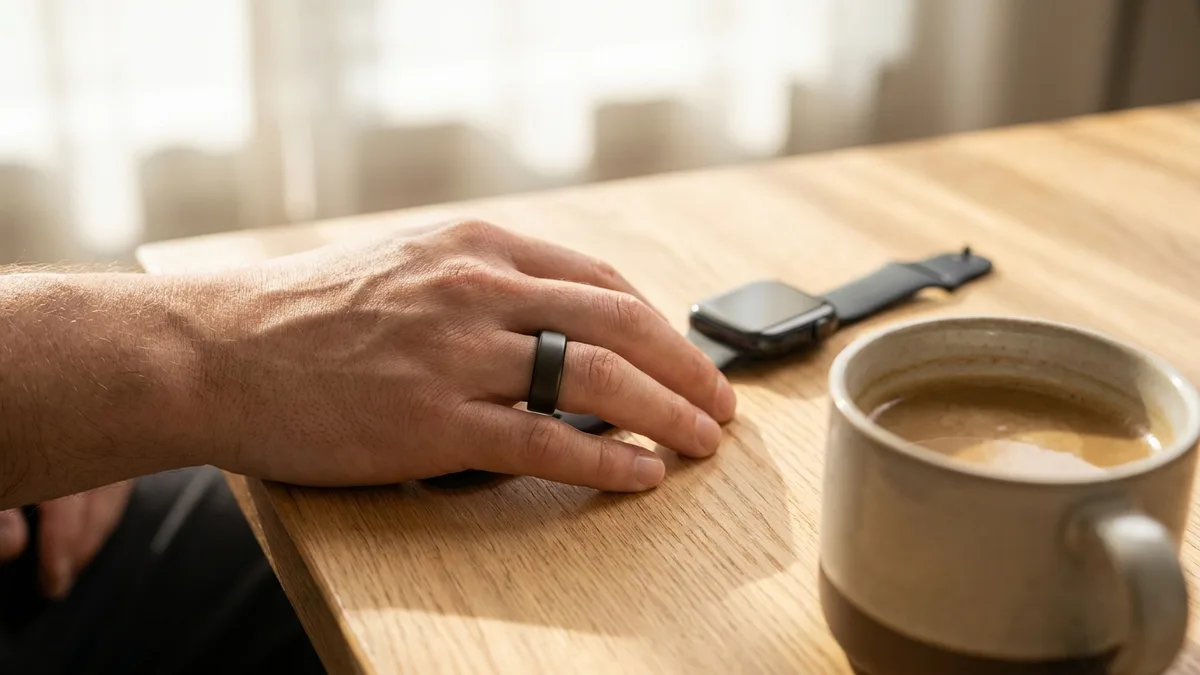
- Apple Watch (native features)


Best Oura Ring Alternatives in 2026
The Oura Ring 4 costs $349+ and locks its best insights behind a $5.99/month membership. Here are the best Oura Ring alternatives in 2026 — including one that needs no ring and no subscription at all.
- Apple Watch SE 3
Best Fitbit Alternatives in 2026
Fitbit is becoming Google Health, a Google account is now mandatory, and features like Sleep Profile and SpO2 trends are being removed. Here are the best Fitbit alternatives in 2026 — ranked.