Best Oura Ring Alternatives in 2026
How do we vet apps & products? Learn more.
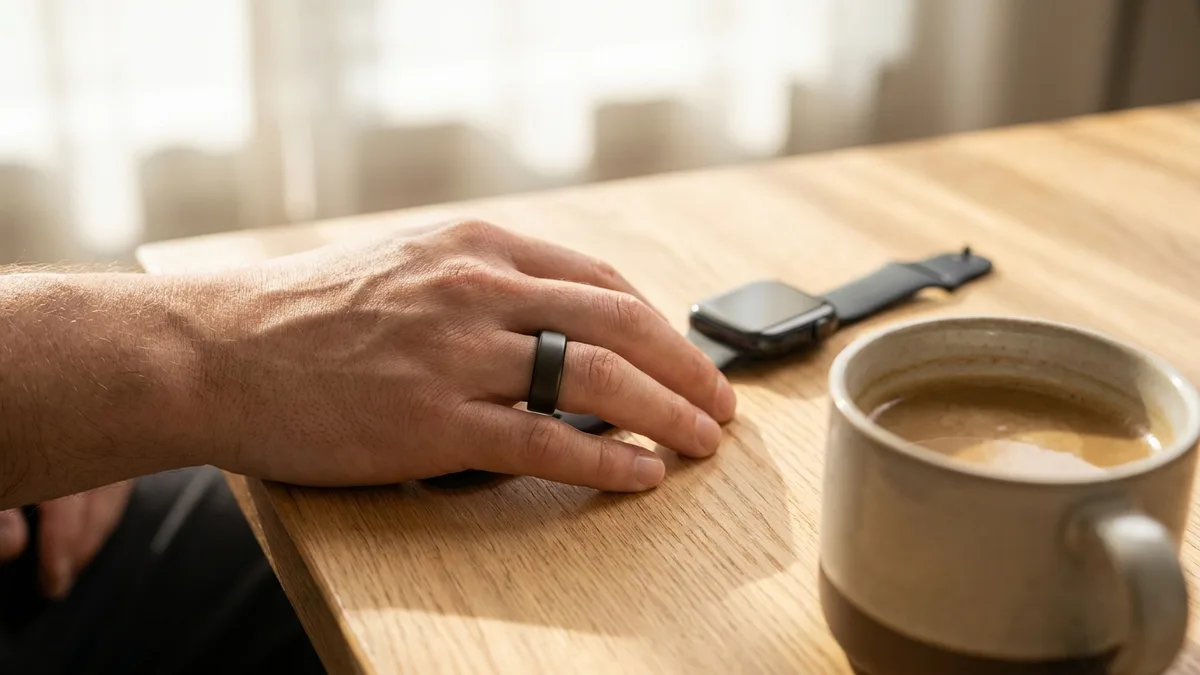
The Oura Ring earned its reputation honestly: it's a beautiful, discreet sleep and recovery tracker that disappears on your finger. But in 2026, the math is harder to ignore. The Oura Ring 4 starts at $349 and climbs to $499 for premium finishes — and even after you've paid for the ring, most of the insights you actually want live behind a $5.99/month membership ($69.99/year). That's a device you buy and rent.
If you're shopping for Oura Ring alternatives that deliver the same recovery, sleep, and HRV picture — ideally without the recurring fee, and maybe without a ring at all — you have genuinely good options now. Here's how the leading contenders actually stack up.
What You're Really Paying For With Oura
Oura's hardware is excellent, but the subscription is the part that surprises people. Here's the structure as it stands in 2026:
- The ring: $349–$499 one-time, depending on finish.
- The membership: $5.99/month (or $69.99/year), bundled free for the first month with a new ring, then auto-renewing.
- Without the membership: you keep basic readings, but the Readiness, Sleep, and Activity scores plus trends and recommendations — the reason most people buy Oura — go dark. In other words, the $5.99/month keeps you reading the scores your own ring sensor already produced; let it lapse and those numbers lock away.
Over three years, a base Oura Ring 4 plus two years of membership lands around $489. That's not outrageous for what it does, but it's far from the cheapest way to know whether your body is recovered. And critically, Oura is a recovery-first device: it shines overnight but doesn't give you real-time workout strain.
So the question isn't "what's another ring?" It's "what's the best way to get a daily readiness, sleep, and HRV picture for my situation?" For a lot of people, the answer isn't a ring at all.
Editor's Choice | Apple Watch (native features) |  |  |  | |
|---|---|---|---|---|---|
| Brand | Livity (iPhone + Apple Watch) | Apple Watch (native features) | Samsung Galaxy Ring | Ultrahuman Ring AIR | WHOOP |
| Rating | 4.8 / 5 | 4.3 / 5 | 4.0 / 5 | 4.1 / 5 | 3.9 / 5 |
| Key features |
|
|
|
|
|
| Pros |
|
|
|
|
|
| Cons |
|
|
|
|
|
| Price | Free — full core; Premium $39.99/yr (~$3.33/mo) optional | From $229 (Apple Watch SE 3), no subscription | $399 (often ~$299), no subscription | $349 one-time, no required subscription | Subscription only, from $199/yr (One) |
| Get Livity Free | View Apple Watch | Visit Samsung | Visit Ultrahuman | Visit WHOOP |
The Best Oura Ring Alternatives in 2026
1. Livity — Best for Apple Watch Owners (Free, No Ring, No Subscription Lock-In)
Here's the option most "smart ring" roundups skip: if you already own an Apple Watch, you don't need to buy any new hardware to get an Oura-style experience. Livity is an iPhone app that reads your Apple Health / HealthKit data and turns it into the exact scores Oura charges a membership for:
- Recovery score — a daily readiness number built from HRV, resting heart rate, and sleep quality
- Body Battery — a live energy gauge that shows how your day drains and recharges you
- Sleep stages + Sleep score — REM, deep, and core sleep with a nightly score and long-term trends
- HRV trends — nightly HRV with context, not just a raw number
- Training Load — workout strain tracking that warns you about overtraining
- Stress monitoring — daytime stress from your Apple Watch, something Oura's finger sensor handles less directly
- Fitness Age — how your body compares to your actual age
Two things set Livity apart from every ring on this list. First, it's privacy-first: your health data stays on your device, there's no account to create, and nothing syncs to a cloud. Second, the core tier is free — sleep, HRV, recovery, and Body Battery don't cost a cent. Premium ($39.99/year, about $3.33/month) unlocks deeper analytics and longer history, but you're never locked out of your own data the way you are when an Oura membership lapses.
The honest caveat: Livity is iPhone-only and needs an Apple Watch (or a supported Garmin device) feeding it data. If you already wear one, that's not a cost — it's a free upgrade to the gear on your wrist. Read our full Livity review for the deep dive.
Cost: Free core tier; Premium $39.99/year (about $3.33/month). No ring, no extra hardware. Best for: Apple Watch owners who want Oura-level recovery and sleep insight with no ring and no subscription lock-in.
Don't want another gadget on your finger? If you own an Apple Watch, Livity gives you Recovery, Body Battery, Sleep score, and HRV trends for free — and your data never leaves your phone. Try it free →
2. Apple Watch (Native Features) — From $229, No Subscription
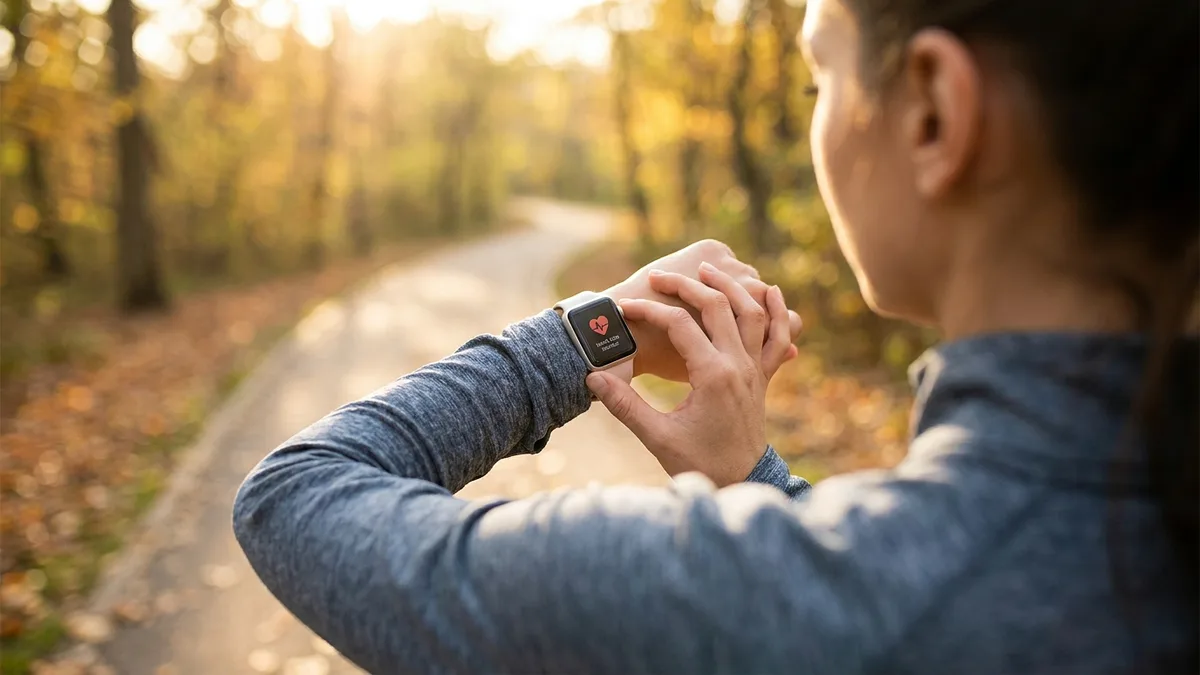
If you're going to own an Apple Watch anyway, watchOS now does a lot on its own. The Vitals app logs overnight heart rate, respiratory rate, wrist temperature, blood oxygen, and sleep duration, flagging when something drifts outside your baseline. Training Load compares your last 7 days of effort against the prior 28 and rates each workout from 1 to 10. You also get full sleep-stage tracking.
The gap — and it's a real one — is that Apple gives you no single "Readiness" or "Body Battery" number. The data is scattered across several apps, so you're left to interpret it yourself. That's exactly the gap Livity fills. On its own, though, the Apple Watch is a capable, subscription-free tracker with the bonus of an actual screen.
Cost: From $229 (Apple Watch SE 3). No subscription for native features. Best for: People who want a real smartwatch and screen, not just a sleep sensor.
3. Samsung Galaxy Ring — Best Ring for Samsung Phone Owners
The Samsung Galaxy Ring is the most direct ring-for-ring Oura competitor, and it has one big advantage: no subscription. Core sleep tracking, an Energy Score (Samsung's readiness-style metric), and overnight HR/HRV are all included in the box. It launched at $399 and has frequently sold for around $299.
The catches are platform and fit. You need a Samsung Galaxy phone to unlock the full feature set — on an iPhone it's hobbled — and the ring comes in nine fixed sizes with no way to resize later if your fit changes. Like all rings, there's no screen.
Cost: ~$299–$399 one-time. No subscription. Best for: Samsung phone owners who want a discreet ring without a recurring fee.
4. Ultrahuman Ring AIR — Best Subscription-Free Ring for iPhone
If you specifically want the ring form factor but refuse to pay monthly, the Ultrahuman Ring AIR is the cleanest answer. It's $349 one-time with no required subscription — you get lifetime access to your data and the ring's core sleep, HRV, and recovery tracking. Unlike the Galaxy Ring, it works fully on both iPhone and Android.
Ultrahuman does offer optional paid add-ons (extra coaching-style features), but they're genuinely optional — the core experience doesn't depend on them. Those add-ons buy coaching-style nudges and metabolic extras, not a better core sleep, HRV, or recovery read — that part is already included. The trade-offs are a smaller ecosystem than Oura and no real-time workout strain on your wrist.
Cost: $349 one-time. No required subscription. Best for: iPhone or Android users who want an Oura-style ring without the monthly fee.
5. WHOOP — Best Always-On Strain Model (But Subscription-Only)
WHOOP isn't a ring — it's a screen-less wrist band — but it competes for the same recovery-obsessed buyer. Its always-on strain and recovery model is arguably the best on this list, and the hardware comes included with your membership. Plans start at $199/year (One), with Peak at $239/year and Life at $359/year.
The reasons it lands last here are the same reasons people leave it: it's subscription-only, so the band stops working the moment you cancel, it has no screen (every glance means pulling out your phone), and over three years it's the most expensive option on this page. What that recurring fee really buys is the band itself and the convenience of a 24/7 strap — not a recovery or sleep read you can't already get from the Apple Watch on your wrist. If you want our deeper breakdown of the no-strap options, see our best health & fitness apps of 2026 guide.
Cost: Subscription-only, from $199/year. Best for: Athletes who want the most rigorous strain model and don't mind renting the hardware.
Total Cost Over 3 Years
Here's roughly what each option costs over three years, assuming a base configuration:
| Tracker | Hardware | Subscription (3 yr) | 3-Year Total |
|---|---|---|---|
| WHOOP One | $0 (included) | ~$597 | ~$597 |
| Oura Ring 4 | $349 | ~$140* | ~$489 |
| Samsung Galaxy Ring | ~$399 | $0 | ~$399 |
| Ultrahuman Ring AIR | $349 | $0 | $349 |
| Apple Watch SE 3 | $229 | $0 | $229 |
| Livity + Apple Watch | $0** | $0 (free tier) | $0** |
*Oura includes one month of membership free; the ~$140 assumes the $69.99/year annual plan over two years. **Assumes you already own an Apple Watch; Livity's core tier is free. Premium is optional at $39.99/year (about $3.33/month).
How to Choose
Choose Livity if you already own an Apple Watch and want Oura-style Recovery, Sleep score, HRV, and Body Battery for free — with your data staying on your device, plus daytime strain and stress that overnight-only rings (Oura, Ultrahuman, Galaxy Ring) don't capture.
Choose the Apple Watch if you want a full smartwatch with a screen and don't mind assembling the recovery picture yourself (or pairing it with Livity).
Choose the Samsung Galaxy Ring if you carry a Samsung Galaxy phone and want a no-subscription ring.
Choose the Ultrahuman Ring AIR if you want the ring form factor, use an iPhone, and refuse to pay a monthly fee.
Choose WHOOP if you want the best always-on strain model and are comfortable renting the hardware.
The Bottom Line
The Oura Ring 4 is a lovely device, but it's a $349+ purchase that keeps asking for $5.99 every month — and it only really watches you while you sleep. For most people, that's more cost and less coverage than they need.
If you already wear an Apple Watch, Livity is the smartest move on this list: it turns hardware you already own into a full recovery, sleep, HRV, Body Battery, and stress tracker, with a free core tier, no account, and no data ever leaving your phone. No ring to buy, no membership to cancel.

Sources
- 1.Oura Ring Membership pricing— Oura, 2026
- 2.Galaxy Ring | Smart Ring— Samsung, 2026
- 3.Ultrahuman Ring | Pricing— Ultrahuman, 2026
- 4.WHOOP Membership Pricing— WHOOP, 2026
- 5.Track your training load on Apple Watch— Apple Support, 2026
Frequently Asked Questions
- Is there an Oura Ring alternative with no subscription?
- Yes. The Ultrahuman Ring AIR ($349) and Samsung Galaxy Ring give you core insights with no required monthly fee. If you own an Apple Watch, the Livity app delivers recovery, sleep, HRV and Body Battery on a free core tier with no ring at all.
- How much does the Oura Ring 4 actually cost?
- The Oura Ring 4 starts at $349 (Silver/Black) and ranges up to $499 for premium finishes. On top of that, the Oura Membership is $5.99/month (or $69.99/year) after the first month that comes bundled with a new ring.
- Can I track recovery and sleep without buying a ring?
- Yes. If you already wear an Apple Watch, an app like Livity reads your Apple Health data to produce a daily Recovery score, Sleep score, HRV trends and Body Battery — no ring, no extra hardware, and a free core tier.
- Which Oura alternative is best for iPhone users?
- For iPhone owners, Livity is the strongest pick because it turns the Apple Watch you already own into a full recovery and sleep tracker. The Ultrahuman Ring AIR is the best subscription-free ring that works fully on iOS.
- Is WHOOP a good Oura Ring alternative?
- WHOOP is excellent for always-on recovery and strain, but it is subscription-only (from $199/year) and the band stops working if you cancel. It is a wrist band, not a ring, and the most expensive option over three years.
Related reading
- Apple Watch (native features)

Best WHOOP Alternatives in 2026 (No Subscription Required)
WHOOP starts at $199/year and you never own the band. Here are the best WHOOP alternatives for recovery, strain and sleep tracking in 2026 — including options with no subscription at all.
- Apple Watch (SE 3 / Series 11)
WHOOP vs Oura vs Apple Watch (2026): Which Should You Buy?
Three of the biggest recovery trackers, three very different business models. We break down 2026 prices, subscription terms, and which one actually fits your life — including why the Apple Watch you may already own is the smartest buy for most people.
- Apple Watch SE 3
Best Fitbit Alternatives in 2026
Fitbit is becoming Google Health, a Google account is now mandatory, and features like Sleep Profile and SpO2 trends are being removed. Here are the best Fitbit alternatives in 2026 — ranked.