Best WHOOP Alternatives in 2026 (No Subscription Required)
How do we vet apps & products? Learn more.
WHOOP changed the game when it introduced always-on recovery and strain tracking. But in 2026, the value math has shifted. WHOOP is still subscription-only — membership now starts at $199/year for WHOOP One and climbs to $239/year (Peak) and $359/year (Life) — and you never actually own the band. Cancel, and the screen-less strap stops delivering insights.
If you're hunting for a WHOOP alternative that tracks recovery, sleep, HRV and training load — ideally without a recurring fee — you have genuinely good options now. Several deliver the same core picture for a one-time cost, and one delivers it for free using hardware you may already wear. Here's how they stack up.
Why People Are Leaving WHOOP
WHOOP built a great product, but the membership model that funds it is exactly what pushes people to look elsewhere:
- You never own the hardware. The band is bundled with the subscription. Cancel and it becomes a paperweight; your historical data stays locked behind the paywall. The $199–$359/year fee buys the hardware bundle and continued access to your own recovery history more than recovery insight an Apple Watch can't already feed — it's rental and lock-in, not superior recovery quality.
- It adds up. WHOOP One is $199/year and Peak is $239/year. Over three years that's $597–$717 for a device with no screen.
- Phone dependency. With no display, you reach for your phone to see any metric. No glance at your recovery score on your wrist.
- Strain has blind spots. WHOOP estimates strain primarily from heart rate, so it can underrate strength training, yoga and other low-heart-rate work.
The headline features — recovery scores, sleep staging, HRV monitoring — are no longer WHOOP-exclusive. Your Apple Watch, a smart ring, a Garmin or even a free app can deliver them.
Editor's Choice | Apple Watch (native features) |  |  |  | |
|---|---|---|---|---|---|
| Brand | Livity | Apple Watch (native features) | Garmin (Venu 3 / Forerunner 265) | Oura Ring 4 | Amazfit Helio Strap |
| Rating | 4.8 / 5 | 4.0 / 5 | 4.3 / 5 | 4.1 / 5 | 3.8 / 5 |
| Key features |
|
|
|
|
|
| Pros |
|
|
|
|
|
| Cons |
|
|
|
|
|
| Price | Free — full core; Premium $39.99/yr (~$3.33/mo) optional | From ~$229 (Apple Watch SE), no subscription | ~$300–$500 one-time, no subscription | $349–$499 + $5.99/month membership | ~$99 one-time, no subscription |
| Get Livity Free | View Apple Watch | View Garmin | View Oura | View Amazfit |
The Best WHOOP Alternatives in 2026
1. Livity — Best for Apple Watch owners (Free core tier)
If you already own an Apple Watch, Livity is the software layer that turns it into a full WHOOP-style tracker. It reads your Apple Watch sensors and Apple Health data and turns the scattered numbers into a single, glanceable readiness picture:
- Recovery score — a daily readiness number from HRV, resting heart rate and sleep quality
- Body Battery — an energy gauge showing how your day drains and recharges you
- Sleep stages + Sleep score — REM, deep and core sleep with trends over time
- HRV trends — nightly HRV with context, not just a raw figure
- Training Load — tracks strain and flags overtraining
- Stress monitoring and Fitness Age
The Apple Watch already carries the same sensor class WHOOP relies on — optical heart rate, accelerometer and temperature — and Livity turns those readings into a daily Recovery score for free, right on the device. Unlike WHOOP, Livity is privacy-first: your health data stays on your device, with no account required and nothing synced to a cloud. And unlike the native Apple Watch experience, you get one unified recovery number instead of metrics spread across half a dozen apps.
Cost: Free to install. Core tracking — sleep, HRV, recovery, Body Battery — stays free to use. Premium unlocks deeper analytics and longer history at $39.99/year (about $3.33/month). Best for: Apple Watch owners who want WHOOP-level insights without buying new hardware or paying a membership.
For the full breakdown, see our Livity review.
2. Apple Watch native features (From ~$229, no subscription)
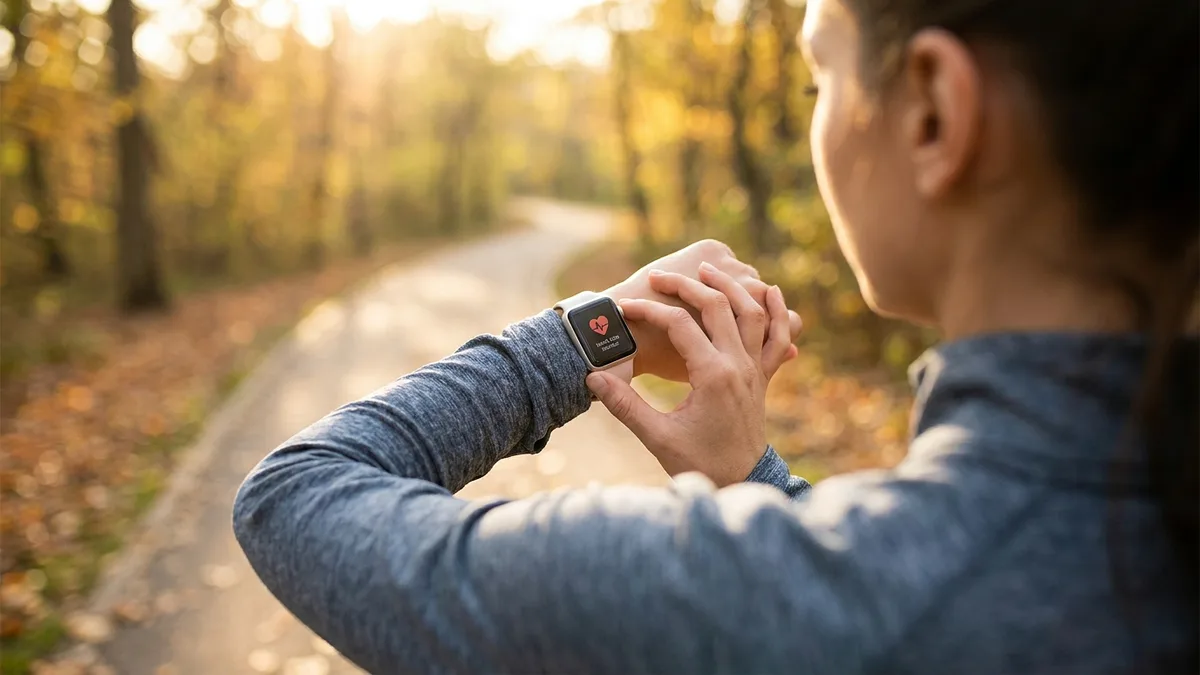
With recent watchOS releases, the Apple Watch quietly became a legitimate WHOOP competitor. Native features now include Training Load in the Fitness app, the Vitals app (overnight heart rate, respiratory rate, wrist temperature with outlier alerts) and full sleep staging.
The catch is that these live in separate apps with no unified dashboard. You won't get a single "recovery" or "body battery" number out of the box — which is exactly the gap a companion app like Livity fills.
Cost: From around $229 (Apple Watch SE). No subscription. Best for: People already in the Apple ecosystem who want solid metrics from hardware they own.
3. Garmin (Venu 3 / Forerunner 265) — Best standalone device (~$300–$500, no subscription)
Garmin is the go-to for athletes who want a self-contained tracker with no app subscription. The Venu 3 and Forerunner 265 deliver Body Battery (the metric Garmin invented), Training Readiness (HRV + sleep + recent load), Sleep Coach and a daily Morning Report.
Garmin watches are rugged, last up to two weeks on a charge and never ask for a subscription. The trade-off: you're buying a whole new device, and the metric-dense ecosystem can feel overwhelming at first.
Cost: Roughly $300–$500 one-time. No subscription. Best for: Runners, cyclists and triathletes who want a dedicated GPS sports watch.
4. Oura Ring 4 ($349–$499 + $5.99/month)
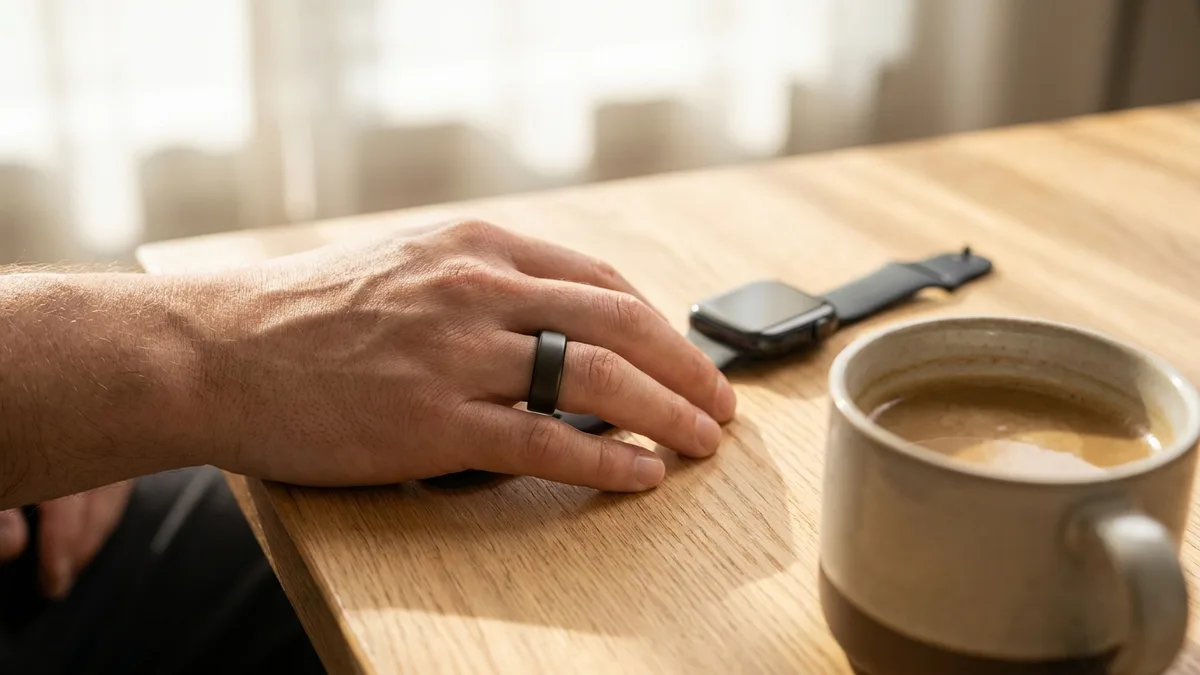
The Oura Ring is the most discreet option — a titanium ring that tracks sleep, HRV, temperature and readiness. The Oura Ring 4 improved sensor accuracy and added daytime HRV.
But there's a recurring catch: Oura requires a $5.99/month membership ($69.99/year) for most insights — HRV trends, full sleep staging and personalized recommendations all sit behind it. That fee doesn't buy deeper recovery science than the ring's sensors already capture; it buys continued access to insights that vanish behind the paywall the moment you stop paying. In effect you rent ongoing access to your own sleep and recovery data. Without it you're left with bare-bones data. The first month is included with the ring, then it renews. Over three years the ring plus membership runs to roughly $560+. Oura also lacks real-time strain tracking during workouts — it's a recovery-first device.
Cost: $349–$499 + $5.99/month membership. Best for: People who want 24/7 wear in a ring and prioritize sleep over workout strain (and don't mind the fee).
5. Amazfit Helio Strap (~$99, no subscription)
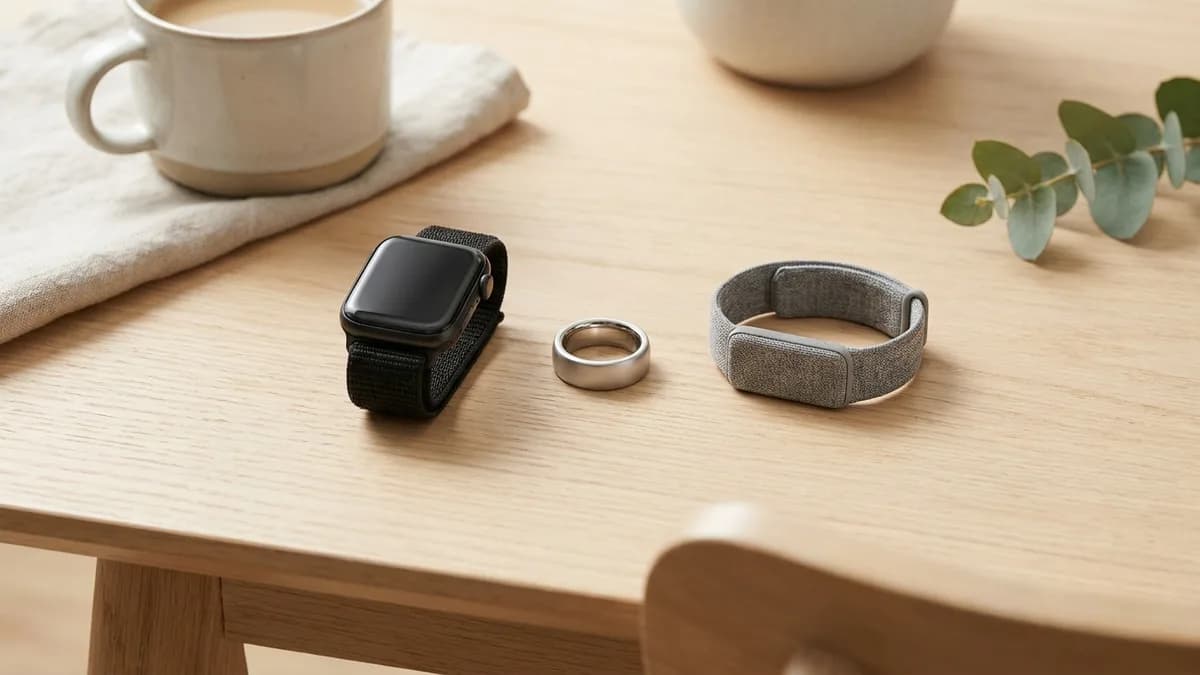
The Amazfit Helio is the most WHOOP-like alternative in form factor: a screen-less strap built for continuous wear that tracks recovery, sleep and workout strain — all subscription-free through the Zepp app. At around $99 it's the cheapest strap of the bunch, with roughly 10-day battery life.
The app and insights aren't as polished as WHOOP, Garmin or Livity. If you already wear an Apple Watch, Livity gives you WHOOP-style recovery with no second device to strap on and no rental — so its free core means no extra hardware, no fee and more polished insight, not just a lower price. But if you specifically want the "invisible band" format without a monthly fee, the Helio is the value pick.
Cost: Around $99 one-time. No subscription. Best for: People who want a WHOOP-style strap without the recurring cost and don't need the most refined app.
Total Cost Comparison (3 Years)
Here's what each option actually costs over three years. WHOOP figures use the current One ($199/yr) and Peak ($239/yr) memberships.
| Tracker | Year 1 | Year 2 | Year 3 | 3-Year Total |
|---|---|---|---|---|
| WHOOP Peak | $239 | $239 | $239 | $717 |
| WHOOP One | $199 | $199 | $199 | $597 |
| Oura Ring 4 | $349 | $72 | $72 | $493 |
| Garmin Venu 3 | ~$450 | $0 | $0 | ~$450 |
| Amazfit Helio | $99 | $0 | $0 | $99 |
| Livity + Apple Watch | $0* | $0 | $0 | $0* |
*Assumes you already own an Apple Watch. If not, the Apple Watch SE starts around $229 — still less than one year of WHOOP plus Oura combined. Livity's core tier is free; optional premium adds deeper analytics for $39.99/year (about $3.33/month).
How to Choose the Right Alternative
Choose Livity if you already have an Apple Watch and want WHOOP-style recovery, strain and sleep tracking for free — with nothing leaving your device. WHOOP and Oura sync your most sensitive recovery data to their cloud as part of the paid relationship; Livity keeps it on-device with no account, so the free pick is also the more private one.
Choose Garmin if you're a serious endurance athlete who wants a standalone GPS watch with best-in-class battery and no app fee.
Choose Oura if you want the most discreet form factor and prioritize sleep above everything (and accept the monthly membership).
Choose the Amazfit Helio if you specifically want a screen-less WHOOP-style strap at the lowest one-time price.
If you want to weigh recovery scoring approaches across more apps, our best recovery and readiness apps of 2026 guide goes deeper. And if you're still on the fence about WHOOP itself, read our full WHOOP review first.
The Verdict
You don't need to spend $600–$700 over three years to know whether your body is ready to train. If you own an Apple Watch, the sensors are already on your wrist — you just need software that turns the raw data into a decision.
That's why Livity is our top WHOOP alternative for 2026. It delivers a daily Recovery score, Body Battery, sleep staging, HRV trends, Training Load, stress monitoring and Fitness Age — on a free core tier, with your health data staying on your device and no account required. Where WHOOP and Oura sync your most sensitive recovery data to their cloud as part of the paid relationship, Livity keeps it on-device, so the free pick is also the safer one. No WHOOP strap, no Oura ring, no monthly membership.
Sources
- 1.WHOOP Membership Pricing— WHOOP, 2026
- 2.Oura Ring Membership— Oura, 2026
- 3.Amazfit Helio Strap— Amazfit, 2026
Frequently Asked Questions
- Is there a free WHOOP alternative?
- Yes. If you own an Apple Watch, Livity provides a daily Recovery score, sleep stages, HRV trends, Body Battery and Training Load on a free core tier — no extra hardware required. Premium adds deeper analytics at $39.99/year (about $3.33/month), but core tracking stays free.
- Can an Apple Watch replace WHOOP?
- The Apple Watch has the sensors to match WHOOP — optical heart rate, accelerometer and temperature sensing — and now offers Training Load and the Vitals app natively. What it lacks is a single recovery score. A companion app like Livity unifies that data into one readiness number, with no subscription to Apple required.
- Why is WHOOP so expensive over time?
- WHOOP is subscription-only. WHOOP One starts at $199/year, with Peak and Life tiers costing more. You never own the band — it comes with the membership — so cancelling means the device stops delivering insights and your data sits behind the paywall.
- Is the Oura Ring worth it without the subscription?
- Without the $5.99/month Oura membership you get only limited data. Detailed insights — HRV trends, full sleep staging and personalized recommendations — require the paid tier, on top of the $349+ ring price.
- What is the best WHOOP alternative for recovery tracking?
- For Apple Watch owners, Livity is the strongest pick: it turns watch data into a daily Recovery score and Body Battery for free. Garmin is the best standalone-device option, with Training Readiness and Body Battery that are widely respected.
Related reading
- Apple Watch (native features)



Best Oura Ring Alternatives in 2026
The Oura Ring 4 costs $349+ and locks its best insights behind a $5.99/month membership. Here are the best Oura Ring alternatives in 2026 — including one that needs no ring and no subscription at all.
- Apple Watch (SE 3 / Series 11)
WHOOP vs Oura vs Apple Watch (2026): Which Should You Buy?
Three of the biggest recovery trackers, three very different business models. We break down 2026 prices, subscription terms, and which one actually fits your life — including why the Apple Watch you may already own is the smartest buy for most people.
- Apple Watch SE 3
Best Fitbit Alternatives in 2026
Fitbit is becoming Google Health, a Google account is now mandatory, and features like Sleep Profile and SpO2 trends are being removed. Here are the best Fitbit alternatives in 2026 — ranked.