WHOOP Review (2026): Honest Take on the Subscription Strap
How do we vet apps & products? Learn more.
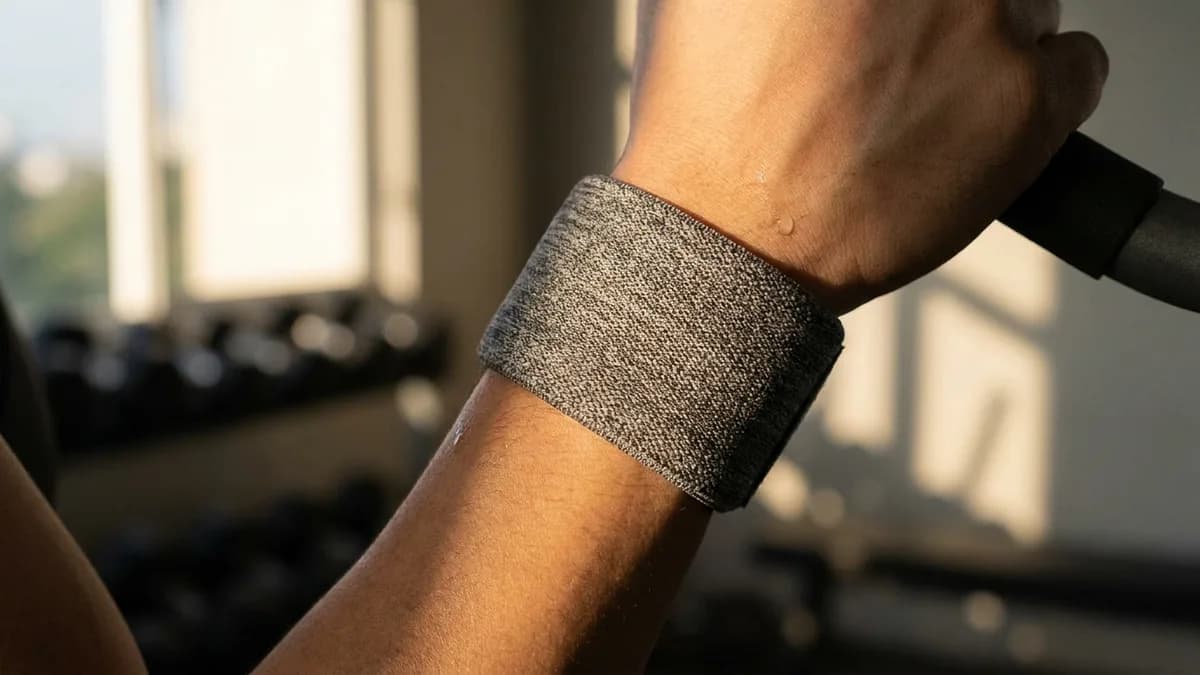
WHOOP has one of the most loyal followings in the wearable world, and it earned it. While everyone else was strapping screens and notifications to your wrist, WHOOP went the other way: a tiny, screen-free band that just sits there, reads your body 24/7, and tells you whether you're recovered enough to push hard today.
But in 2026 the questions worth asking aren't "is the tech good?" — it is. They're "is it good enough to rent forever, with no screen and a hard dependency on your phone?" This is our honest, balanced WHOOP review: what it genuinely does well, where it frustrates, and who should actually buy in.
| Our Rating | 3.9 / 5 |
| Price | From $199/yr (membership required) |
| Type | Screen-free band + app |
| Battery | ~4-5 days (WHOOP 4.0) / 14+ days (WHOOP 5.0) |
| Where to get it | whoop.com |
What WHOOP Actually Is
WHOOP is a screen-free fabric band, usually worn on the wrist, that continuously tracks your heart rate, HRV, skin temperature, blood oxygen, and movement. The current generation — WHOOP 5.0 — samples data far more often than older models (the company cites 26 readings per second) and gets 14+ days of battery life, which is a genuine leap over the roughly 4–5 days of the 4.0.
The crucial thing to understand: WHOOP is a subscription, not a product you buy once. You don't purchase the band and own it. You pay for a membership, and the hardware is bundled in. That single design decision shapes everything that's great and everything that's frustrating about it.

WHOOP 5.0
- Screen-free band, 14+ day battery
- Daily Recovery score (HRV, RHR, sleep)
- Strain coaching across 145+ activities
- Sleep stages and sleep performance
- Stress monitor and Healthspan/Pace of Aging
- Sensor samples 26x per second
Our Rating:3.9
What WHOOP Gets Right
The screen-free form factor is genuinely brilliant
There's no display, no buzzing, no temptation to check messages. You put the band on and forget it exists — including in the shower and overnight, which is exactly when most watches come off to charge. After a few days you stop noticing it's there, and that "always on, never in the way" experience is the single best argument for WHOOP. The 14-day battery (charged via a slide-on pack so you never take the band off) reinforces it.
Recovery and strain coaching is best-in-class
Every morning WHOOP gives you a Recovery score as a percentage and a traffic-light color — green (go), yellow (moderate), red (rest) — built from your overnight HRV, resting heart rate, and sleep. Across the day it tracks Strain on a 0–21 scale spanning 145+ activities, then coaches you toward a target strain that matches how recovered you are. It's one of the most coherent recovery-versus-load systems on the market, and for athletes who want a daily "how hard should I go?" answer, it works.
Sleep and longevity tracking go deep
WHOOP breaks sleep into stages with a nightly sleep performance score and a sleep-need estimate. Newer Healthspan features add a WHOOP Age and Pace of Aging metric that estimates your physiological versus chronological age, and the One tier includes Women's Hormonal Insights. WHOOP Life adds the medical-grade WHOOP MG band with ECG, blood pressure insights, and AFib detection. There's a real depth here that casual trackers don't touch.
Comfort and consistency
Because you wear it constantly, WHOOP captures a more complete 24/7 picture than a watch you take off to charge. The band is light, the data is consistent, and the app presents it cleanly.
Pros
- Genuinely comfortable 24/7 wear you forget about
- One of the best recovery-and-strain coaching systems on the market
- No screen means no distractions and excellent battery life
- Hardware is bundled into the membership (no separate device cost)
Cons
- Subscription-only — you never own it, and it stops working if you cancel
- No display, so you must open your phone for every metric
- Costs add up: $199–$359/year, every year
- Wrist heart rate can struggle during HIIT and weightlifting
Where WHOOP Frustrates
We promised honest, so here are the real tradeoffs — none of which are dealbreakers for everyone, but all of which are worth knowing before you commit.
You rent it forever
This is the big one. WHOOP is subscription-only, and current 2026 pricing looks like this:
| Plan | Annual | Monthly | Notable inclusions |
|---|---|---|---|
| WHOOP One | $199/yr | $25/mo | Sleep, Strain, Recovery, Women's Hormonal Insights |
| WHOOP Peak | $239/yr | $30/mo | Adds Healthspan, Pace of Aging, Advanced Labs |
| WHOOP Life | $359/yr | $40/mo | WHOOP MG band: ECG, blood pressure, AFib |
The hardware being bundled sounds generous — and WHOOP has historically given existing members free upgrades to new bands — but the flip side is permanent: cancel, and the band stops working. Your historical insights sit behind the paywall. You never end up owning a functioning tracker. Over three years on Peak that's roughly $717, every year an ongoing line item rather than a one-time spend.
There's no screen — which cuts both ways
The screen-free design is a feature and a limitation. Want to glance at your recovery score, see the time, or check your heart rate mid-workout? You can't. You have to pull out your phone and open the app for every single metric. If you like quick at-a-glance feedback, the no-screen philosophy will eventually annoy you.
It's phone-dependent
Following from the above, WHOOP is only as useful as your phone is nearby. The band collects data on its own, but you experience essentially none of it without the app. There's no standalone utility the way a smartwatch has.
Wrist heart rate has limits during intense training
This isn't unique to WHOOP — it's true of most wrist-worn optical sensors — but reviewers consistently note that heart rate (and therefore strain) can drift during HIIT, sprint intervals, and heavy weightlifting, where wrist motion and grip interfere with the optical reading. For steady-state cardio, sleep, and resting metrics it's solid; for explosive training, take strain figures with a grain of salt.
Who Should Buy WHOOP
WHOOP makes the most sense if:
- You're an athlete or serious trainer who wants daily, structured recovery-and-strain coaching and will actually act on it.
- You value the screen-free, forget-it's-there form factor and don't want another screen on your wrist.
- The recurring cost doesn't bother you, and you'll use the band consistently enough to justify it.
It makes less sense if you want at-a-glance data without your phone, you'd rather own your hardware outright, or you simply don't want a monthly subscription on top of everything else you already pay for.
The Honest Bottom Line
WHOOP is a very good product doing a specific thing extremely well: continuous, screen-free, coached recovery and strain tracking. Our editorial rating is 3.9/5 — points for comfort, battery, and best-in-class recovery science; points off for the subscription-only model, the no-screen tradeoff, and the hard phone dependency.
The thing is, the features WHOOP popularized — recovery scores, body battery, HRV trends, sleep stages, training load — are no longer exclusive to it. If you already own an Apple Watch, those sensors are sitting on your wrist right now, and the data is already flowing into Apple Health. An app like Livity reads that existing HealthKit data and turns it into a daily recovery score, body battery, sleep stages with a sleep score, HRV trends, training load, stress monitoring, and even a fitness age — with a free core tier, premium $39.99/year (about $3.33/month), and your health data staying on-device with no account required. No strap, no monthly hardware rental, no phone-dependent band.
That's not to say WHOOP is a bad buy — for the right person it's excellent. But before you commit to renting a tracker indefinitely, it's worth knowing there are subscription-free and free-tier options that cover most of the same ground using hardware you may already own.
- See the full lineup in our best WHOOP alternatives guide, including Apple Watch, Garmin, Oura, and the Amazfit Helio strap.
- For a deeper look at the Apple Watch software route, read our Livity review.
WHOOP earns its reputation. Just make sure the subscription, the missing screen, and the phone dependency fit your life before you sign up — and remember that "WHOOP-style" recovery tracking no longer requires a WHOOP.
Sources
- 1.WHOOP Membership Options — Compare Plans & Features— WHOOP, 2026
- 2.Introducing WHOOP 5.0 and WHOOP MG— WHOOP, 2025
- 3.WHOOP 5.0 review: A bold leap into longevity with familiar drawbacks— Wareable, 2026
Frequently Asked Questions
- How much does WHOOP cost in 2026?
- WHOOP is membership-only. As of 2026 the plans are WHOOP One at $199/year ($25/month), WHOOP Peak at $239/year ($30/month), and WHOOP Life at $359/year ($40/month), which includes the medical-grade WHOOP MG band. The hardware is included with your membership rather than bought separately.
- Does WHOOP have a screen?
- No. WHOOP is deliberately screen-free. It keeps the band small, comfortable, and gives it 14+ days of battery life, but it also means you need your phone to see any of your data.
- What happens to WHOOP if I cancel my membership?
- When your membership lapses, the band stops functioning and your insights are locked behind the paywall. Because the device is part of the subscription, you do not keep a working tracker after you cancel.
- Is WHOOP accurate for strain and recovery?
- WHOOP is strong for resting and steady-state metrics like HRV, resting heart rate, sleep stages, and overnight recovery. Like most wrist-based optical sensors, its heart rate can drift during high-intensity intervals and heavy lifting, which can affect strain accuracy for those workouts.
- Is there a cheaper alternative to WHOOP?
- Yes. If you already own an Apple Watch, an app like Livity reads your existing sensors to deliver a recovery score, body battery, sleep stages, HRV trends, and training load — with a free core tier and no extra hardware. See our best WHOOP alternatives guide for the full comparison.
Related reading


Gentler Streak Review (2026): The Anti-Burnout Fitness App, Honestly Assessed
Gentler Streak swaps guilt-driven streaks and numeric scores for compassionate, qualitative coaching — and it mostly works. Our honest, balanced review of pricing, pros, and real limitations.

Bevel Review (2026): Is the Priciest Health App Worth It?
Bevel pulls recovery, sleep, strain, and nutrition into one clean dashboard and reads Apple Watch, Oura, Garmin, and Fitbit data. It's also the most expensive app in its category. Here's our honest review.

Athlytic Review (2026): Is It the Best Recovery App for Apple Watch?
Athlytic turns your Apple Watch into a WHOOP-style recovery tracker with a personal 60-day baseline, an Effort score, and a Sleep Quality score — all built on Apple Health, with no separate account or subscription floor. Here is our honest take.