The Best Recovery & Readiness Apps of 2026
How do we vet apps & products? Learn more.
A "recovery score" used to be the exclusive selling point of one $239-a-year strap. In 2026, it isn't. The same daily readiness number — built from overnight HRV, resting heart rate and sleep — now shows up on smart rings, sports watches, the Apple Watch you might already own, and a handful of apps that read your existing sensors.
So which one is actually the best recovery app in 2026? We evaluated the readiness models across the five platforms people ask us about most — based on hands-on app testing, manufacturer specifications, published research, and aggregated user reports — weighing accuracy, what you get for free, and how much hardware you have to buy to get there. Here's how they rank.
Editor's Choice |  |  |  | Apple Watch (native watchOS) | |
|---|---|---|---|---|---|
| Brand | Livity | WHOOP (5.0) | Oura Ring 4 | Garmin (Body Battery / Training Readiness) | Apple Watch (native watchOS) |
| Rating | 4.8 / 5 | 4.0 / 5 | 4.2 / 5 | 4.3 / 5 | 3.6 / 5 |
| Key features |
|
|
|
|
|
| Pros |
|
|
|
|
|
| Cons |
|
|
|
|
|
| Price | Free — full core; Premium $39.99/yr (~$3.33/mo) optional | Membership from $199/year (One); Peak $239/year | $349–$499 + membership $5.99/month (or $69.99/year) | ~$249–$650 one-time; no subscription required for core scores | From ~$229 (Apple Watch SE); no subscription |
| Get Livity Free | Visit WHOOP | Visit Oura | Visit Garmin | Visit Apple |
How we judged recovery and readiness apps
Every platform here calculates some version of the same thing: a single morning number that tells you whether your body is ready to push or needs to back off. We scored each on four things that actually matter:
- The readiness model — does it combine HRV, resting heart rate and sleep into one clear score, or leave you to interpret raw metrics?
- Sleep depth — recovery is downstream of sleep, so sleep-stage and sleep-score quality matters.
- Total cost — including any mandatory subscription and the hardware you have to buy.
- Friction — how much new gear, how many accounts, and where your data ends up.
The platforms that scored highest gave you a real readiness number without locking the basics behind a recurring fee.
1. Livity — best recovery app for Apple Watch owners
If you already own an Apple Watch, Livity is the most direct path to a full recovery and readiness setup. It's an iPhone app that reads your Apple Health / HealthKit data and turns the sensors already on your wrist into the scores you'd otherwise pay a subscription for. (It pairs with Garmin devices too.)
You get a daily Recovery score built from HRV, resting heart rate and sleep quality, plus Body Battery energy tracking, Sleep stages and a Sleep score, HRV trends with context, Training Load, Stress monitoring and a Fitness Age read — all in one dashboard, which is exactly the unified view the Apple Watch lacks natively.
Two things set it apart from the subscription crowd. First, the core tier is genuinely free and requires no account — you install it and start tracking. Second, it's privacy-first: your health data stays on your device rather than syncing to a company's cloud. Premium ($39.99/year — about $3.33/month) adds deeper analytics and longer trend history when you want them, but the daily recovery, sleep, HRV and Body Battery basics stay free.
The trade-off is platform: Livity is iPhone-and-wearable only, and the quality of its raw data depends on the Apple Watch (or Garmin) you pair. If you don't own a compatible watch, you'll want one of the hardware options below — but if you do, you're getting WHOOP-style insight from gear you've already paid for.
For a deeper hands-on breakdown, see our full Livity review.
2. Garmin — best no-subscription hardware
Garmin gets a lot right for people who want recovery scores without a recurring bill. Its Body Battery metric — Garmin invented it — remains one of the best real-time energy gauges in the industry, and Training Readiness rolls HRV Status, sleep, recovery time and recent load into a single morning score. The Morning Report and Sleep Coach round it out.
Crucially, these core scores work with no subscription once you've bought the device. (Garmin's optional Connect+ tier adds AI extras, but you don't need it for Body Battery or Training Readiness.) Battery life is measured in days or weeks, and the hardware is built to take a beating.
The catches are real, though. You have to buy a dedicated Garmin — roughly $249 for an entry model up to $650-plus for a flagship — and Training Readiness is reserved for higher-end watches like the Forerunner 265/570/970 and Venu 4; cheaper or older models give you Body Battery but not the full readiness composite. The ecosystem is also dense: dozens of overlapping metrics can overwhelm anyone who just wants one number.
Best for: runners, cyclists and triathletes who want a rugged standalone watch and zero subscriptions.
3. Oura Ring 4 — best for sleep-led recovery
The Oura Ring 4 is the most elegant tracker here — a titanium ring that disappears on your finger and excels at exactly the thing recovery depends on: sleep. Its Readiness, Sleep and Activity scores are well-built, and its temperature and HRV trend data are among the most refined on the market.
The cost structure is the sticking point. The ring runs $349–$499 depending on finish, and most of the insights — Readiness trends, detailed sleep staging, personalised guidance — sit behind a $5.99/month membership ($69.99/year). New rings include one month of membership, after which the fee kicks in. So your three-year cost is the ring plus roughly $210 in subscription on top. The membership buys longer trend history and a polished ring you forget you're wearing — a sleep-and-aesthetics layer — more than a recovery signal you can't get from sensors you already have.
Oura is also recovery-first by design: it has no real-time workout strain tracking, so if you want a strain or training-load read during exercise, it isn't the tool for that.
Best for: people who prize a discreet form factor and put sleep above workout metrics — and don't mind the ongoing fee.
4. WHOOP 5.0 — strongest strain model, but subscription-only
WHOOP arguably defined the modern recovery-and-strain category, and the latest WHOOP 5.0 band keeps that polish. Its Recovery, Strain and Sleep scores are mature, the screen-free band is genuinely comfortable for 24/7 wear, and the sleep and HRV analytics are excellent. Higher tiers add Sleep and Strain coaching.
The model is the issue, not the metrics. WHOOP is subscription-only: membership runs $199/year (One), $239/year (Peak) or $359/year (Life), and the band is bundled into that fee — meaning if you stop paying, the hardware stops working and your historical data goes behind the paywall. The annual fee keeps a screen-free band and its coaching alive — you're renting the hardware and the strain-coaching layer, not buying recovery quality you can't read elsewhere. The band also has no screen, so every glance at your recovery requires your phone. And because strain is calculated largely from heart rate, it tends to underrate strength training, yoga and other low-heart-rate work.
If you want a deeper look at who should and shouldn't stick with the strap, we cover it in the best WHOOP alternatives and our head-to-head WHOOP vs Oura vs Apple Watch comparison.
Best for: athletes who want the most refined strain-and-recovery coaching and don't mind paying every year to keep it.
5. Apple Watch (native) — great sensors, no unified score
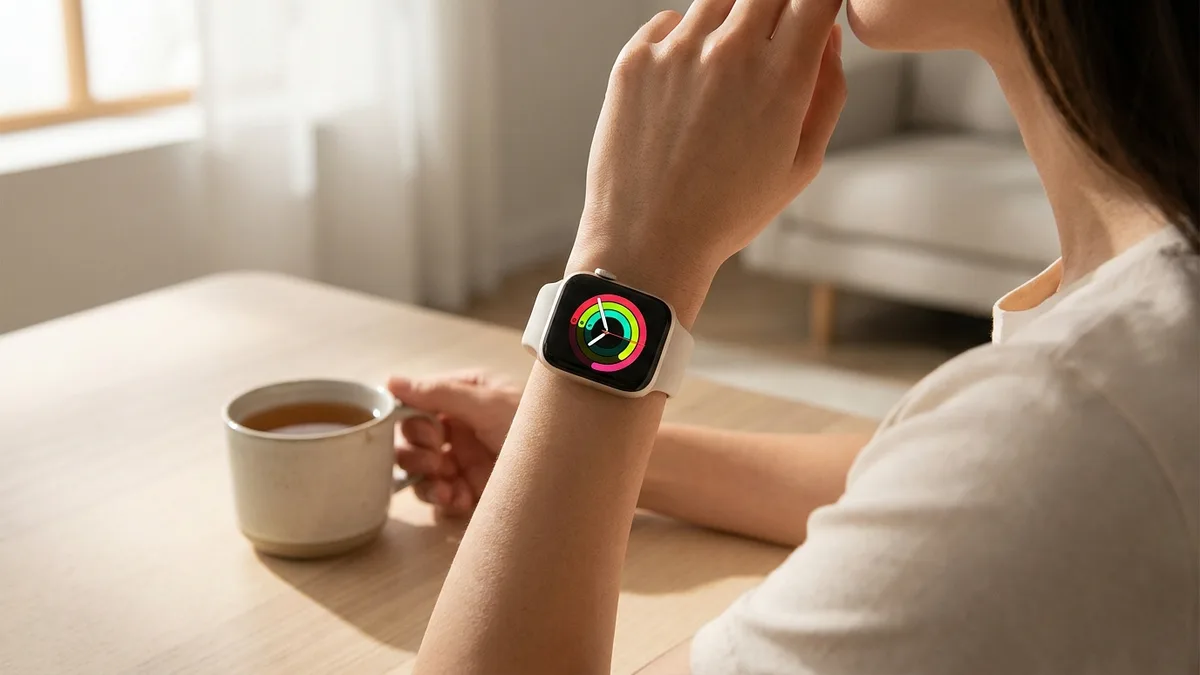
The Apple Watch has quietly become one of the best sensor platforms you can wear, and watchOS now includes Training Load (your last 7 days versus the prior 28), a Vitals app that flags outliers in overnight heart rate, respiratory rate, wrist temperature and sleep, plus Sleep stages and a Sleep score. None of it needs a subscription, and an Apple Watch SE starts around $229.
The gap is the one thing this whole category is about: the Apple Watch has no single native recovery or readiness score. The data is all there, but it's scattered across separate apps with no morning number that tells you "you're at 71% today." That's precisely why a companion app matters — and why our top pick, Livity, exists: it takes this exact Apple Watch data and turns it into the unified Recovery and Body Battery scores Apple doesn't ship itself.
Best for: anyone already in the Apple ecosystem — paired with a recovery app to supply the score watchOS leaves out.
Quick cost picture
Here's roughly what each option costs to get a daily recovery/readiness score, assuming you don't already own the hardware.
| Platform | Hardware | Subscription | Recovery score? |
|---|---|---|---|
| Livity + Apple Watch | Watch you may own; SE ~$229 | Free core; $39.99/yr opt | Yes, unified — data stays on your phone |
| WHOOP 5.0 | Bundled in membership | $199–$359 / year | Yes (cloud-synced) |
| Oura Ring 4 | $349–$499 | $5.99 / month | Yes (cloud-synced) |
| Garmin | ~$249–$650 one-time | None for core scores | Yes, higher-end (cloud-synced) |
| Apple Watch (native) | From ~$229 | None | No single score |
The pattern is clear: WHOOP and Oura charge forever for a strain or sleep-aesthetic layer; Garmin gives you a score for a one-time hardware cost; the Apple Watch gives you the data but no score; and Livity turns sensors you already own into the same daily readiness number on a free core tier — with data that never leaves your phone, unlike all four cloud-syncing alternatives.
Which recovery app should you choose?
- Choose Livity if you own (or will buy) an Apple Watch and want a unified Recovery score, Body Battery, Sleep score and HRV trends without a strap, a ring, or your data leaving your phone.
- Choose Garmin if you're a dedicated endurance athlete who wants rugged hardware and core readiness scores with no subscription.
- Choose Oura if sleep is your priority and you want the most discreet form factor — and the monthly fee doesn't bother you.
- Choose WHOOP if you want the most polished strain-and-recovery coaching and you're comfortable paying annually to keep it running.
- Choose Apple Watch native alone only if you're happy reading separate metrics yourself instead of one readiness number.
The bottom line
Recovery scores stopped being a hardware feature and became a software one. The honest pick for most people in 2026 isn't the most expensive strap or the slickest ring — it's the tracker that gives you a real daily readiness number for the least friction.
For the millions of people who already wear an Apple Watch, that's Livity. It reads the sensors on your wrist, turns them into a daily Recovery score, Body Battery, Sleep score, HRV trend, Training Load and Stress read, keeps your data on your device, and asks for no account and no monthly fee to get started. It earns our 4.8/5 editorial rating and our top spot in this guide.
If you've got an Apple Watch, there's no reason to budget for another subscription before you've tried the score-maker you already own the sensors for.
Sources
- 1.WHOOP Membership Options — Compare Plans & Features— WHOOP, 2026
- 2.Oura Membership— Oura, 2026
- 3.Training Readiness — Garmin Technology— Garmin, 2026
- 4.Track your training load on Apple Watch — Apple Support— Apple, 2026
Frequently Asked Questions
- What is the best recovery app in 2026?
- For Apple Watch owners, Livity is our top pick because it turns the watch you already own into a full recovery and readiness tracker — Recovery score, Body Battery, Sleep score, HRV and Training Load — on a free core tier with no account required. WHOOP and Oura have excellent recovery models too, but both require ongoing subscriptions and dedicated hardware.
- Do I need a WHOOP or Oura to get a recovery score?
- No. WHOOP and Oura popularised the daily recovery/readiness score, but the underlying inputs — HRV, resting heart rate and sleep — are collected by any Apple Watch or Garmin device. An app like Livity reads those Apple Health metrics and produces a daily Recovery score without you buying a strap or a ring.
- Does the Apple Watch have a recovery score?
- Not natively. watchOS gives you Training Load, a Vitals app and Sleep stages, but it does not roll those into a single recovery or readiness number the way WHOOP, Oura or Garmin do. A companion app like Livity bridges that gap by turning your Apple Watch data into one daily Recovery score.
- Which recovery tracker has no subscription?
- Garmin's core Body Battery and Training Readiness scores work with no subscription after you buy the device, and the Apple Watch's native features are subscription-free. Livity's core tier — Recovery, Sleep, HRV and Body Battery — is also free, with optional premium analytics at $39.99/year (about $3.33/month).
- How accurate are recovery scores?
- Recovery and readiness scores are directional, not medical. They are most useful as a trend you check against how you actually feel. Every platform here uses similar inputs — overnight HRV, resting heart rate and sleep quality — so accuracy depends far more on consistent wear and good sleep tracking than on the brand name.
Related reading

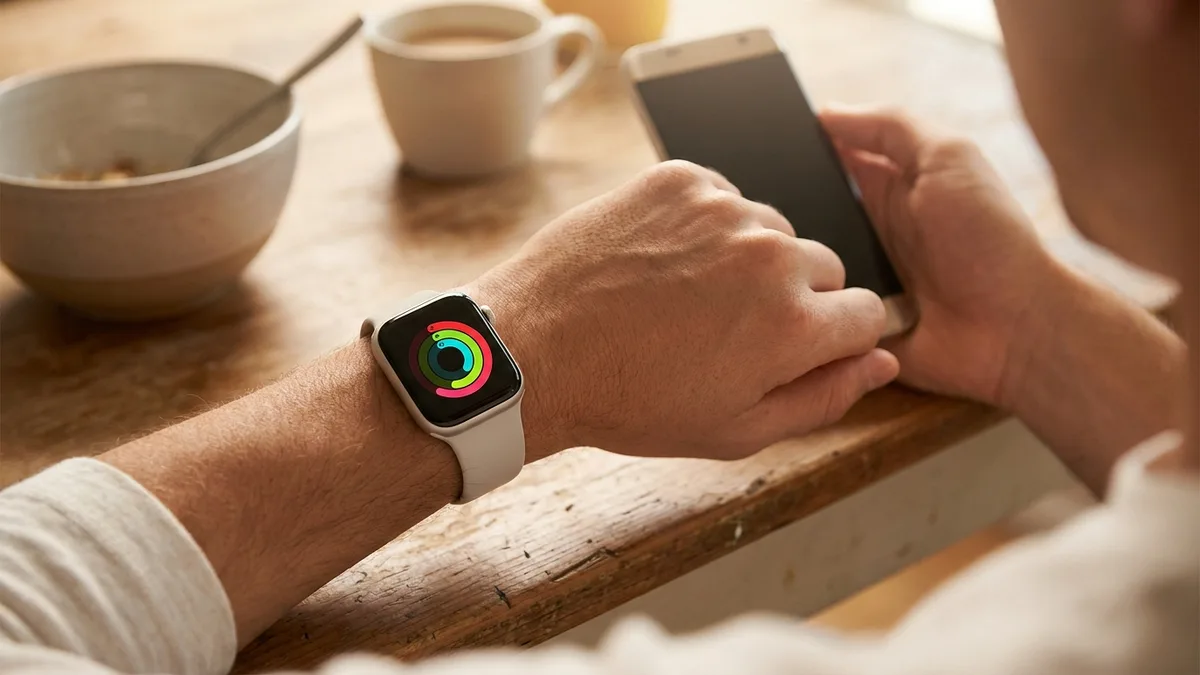
- Apple Watch (native watchOS)
The Best Recovery Apps for Apple Watch in 2026
From Apple’s built-in tools to dedicated apps, here are the best recovery and readiness apps for your Apple Watch in 2026 — and how to pick the right one.
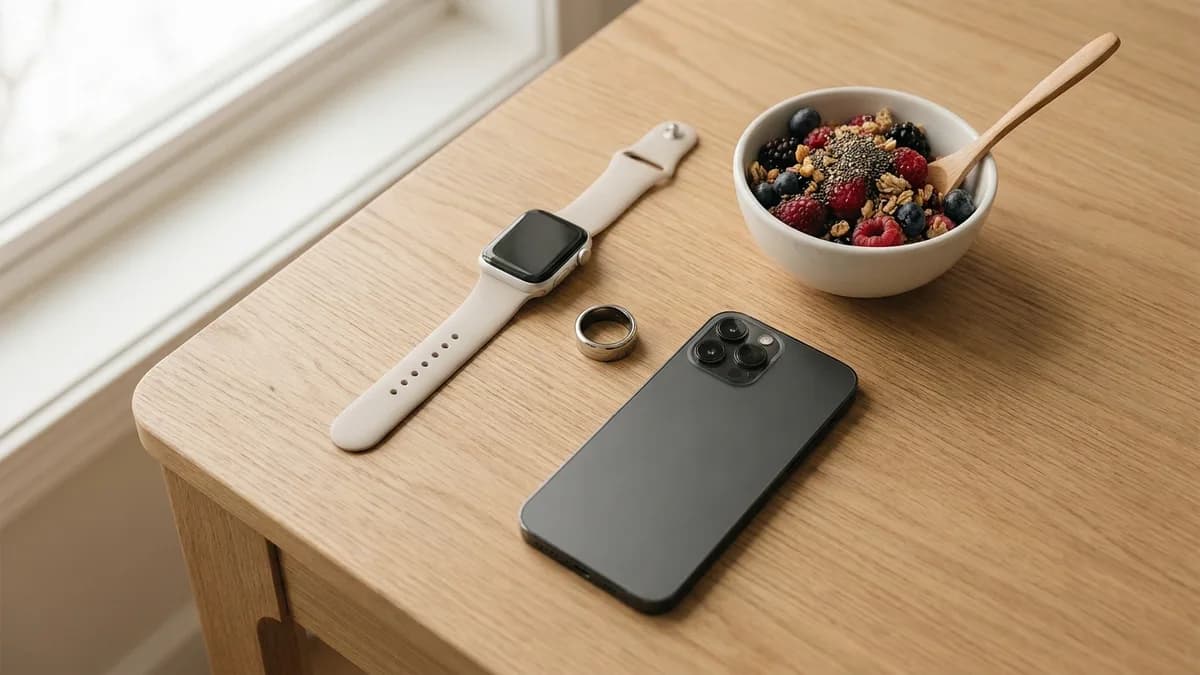
Livity Review (2026): The Best Recovery App for Apple Watch?
Livity reads your Apple Watch and Garmin data to deliver a daily recovery score, body battery, sleep stages, and HRV trends — no extra hardware, no account, no data leaving your phone. Here's our full review.

Bevel Review (2026): Is the Priciest Health App Worth It?
Bevel pulls recovery, sleep, strain, and nutrition into one clean dashboard and reads Apple Watch, Oura, Garmin, and Fitbit data. It's also the most expensive app in its category. Here's our honest review.